COMMUNITY INFORMATION SESSION:
BOYCOTTING GENOCIDE
Come and learn how we can stop our everyday shopping from
funding genocide and apartheid in Palestine
Sunday 12th April
3pm - 4pm
Star Hall
Cnr Valencia and Villiers St, Mayfield
(wheelchair-accessible and air-conditioned)
We call on our neighbours, friends and families in Newcastle and the Hunter Region to stand up for human rights, dignity and freedom for all.
Boycott-Divestment-Sanctions (BDS) is peaceful and non-violent.
We need to remove the social licence of apartheid profiteering.
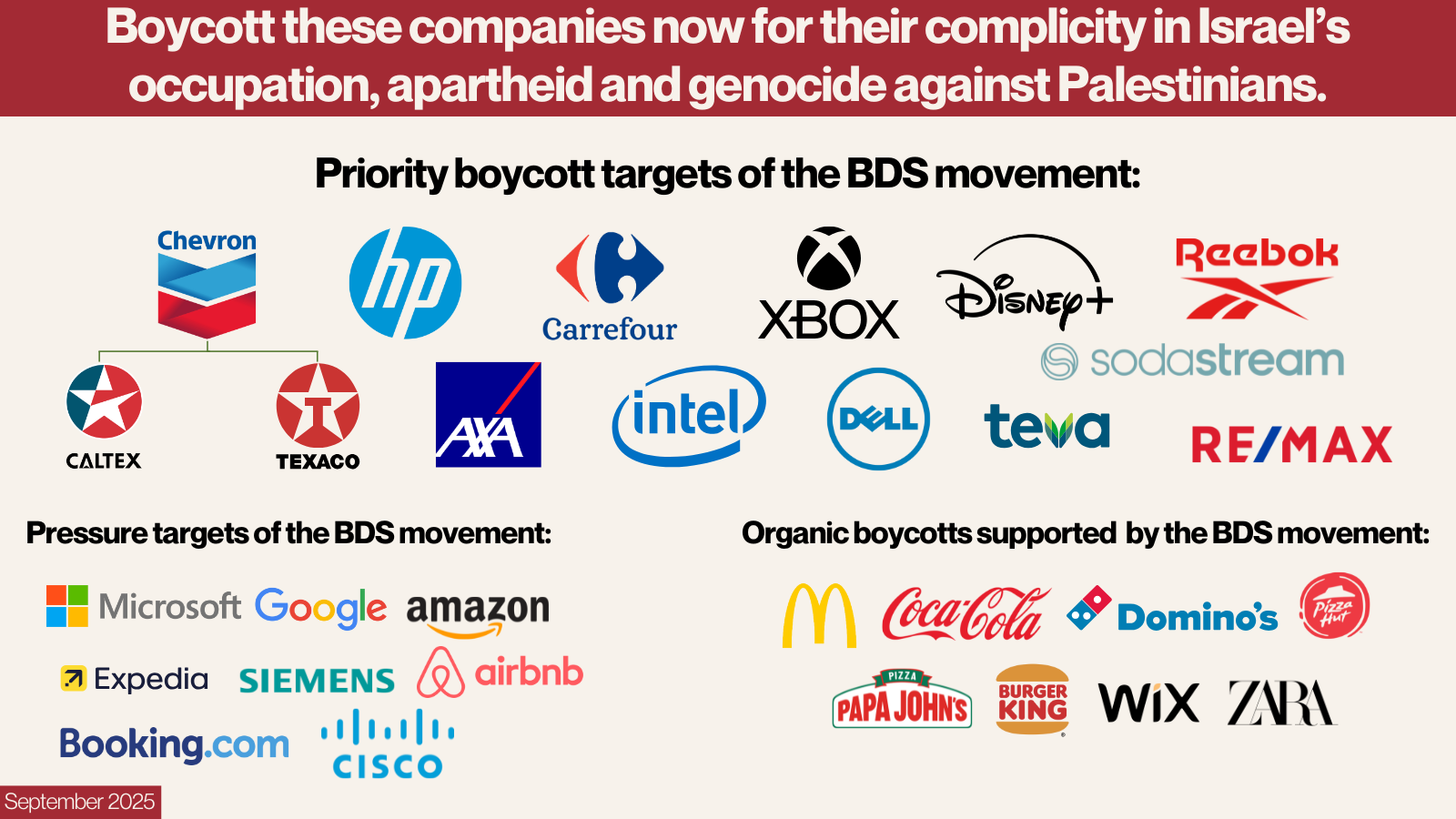
For more resources, details and updates on local and national campaigns, check out these links:
BDS Australia
Boycott Campaigns | Australia Palestine Advocacy Network - APAN
BDS Movement (global)
Ethical Consumer
Apps
Sanctions now—what they mean and why they can stop Israel – Solidarity Online
Boycotts: involving everyone to bring down apartheid
The political movement of Zionism is incredibly well organised. It is deeply embedded in Australia's social and economic fabric. It has an implacable authority. That is how Israeli President Isaac Herzog was invited to visit, and how it has managed to change protest laws to suit itself.
In the meantime, activists risk all they can to end the suffering in Palestine. But they are fighting an enemy that is now so powerful it no longer needs to hide. Now you can be arrested for opposing evil.
Most people do not attend rallies, donate or even sign petitions: and even those who do, become weary of them. But most people are appalled by Israel's apartheid-motivated killing sprees.
Most people are aware that it was boycotts that ended apartheid in South Africa, and won significant victories against racism in the US. And they know boycotts take a long time to succeed.
The Palestine BDS campaign urges targeted boycotts of particular products. But many of these are products people only buy occasionally.
We need an additional boycott campaign in which the primary focus is on getting the community involved in the first place.
A shoppers boycott that encourages families to avoid buying common everyday Zionism-supporting items in favour of alternatives is a low-key approach that is easy for many people to do. It also makes it easier to talk about practical Palestine solidarity with neighbours, friends and work colleagues.
It is a very low risk approach in a time when supporting universal human rights, has become risky. But when many people are quietly involved in actively supporting human rights through everyday actions, they are more likely to join future larger scale actions.
A widespread shoppers’ boycott could gradually extend the boycott further, encouraging organisations throughout the community to join in. Eventually it could lead to communities declaring themselves to be apartheid-free zones.
And from that, we can imagine a whole world that declares itself to be apartheid-free.